Protect continuously
The system operates around the clock to help limit biofouling before it becomes established.

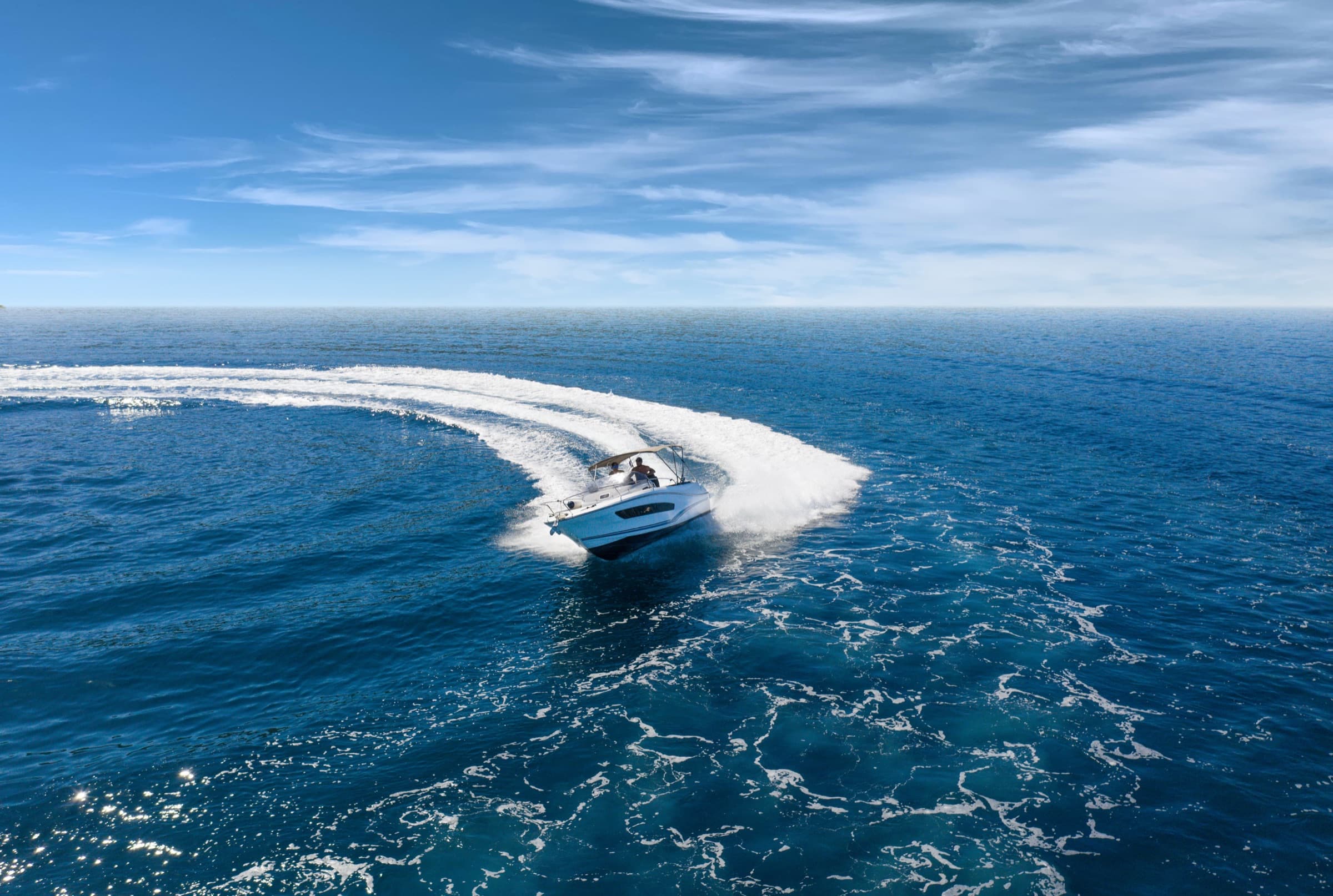
Quiet technology for a cleaner hull. BPS Marine systems are assessed, specified and professionally installed around your boat, its electrical system and the underwater areas that matter most.

24/7
Continuous protection
12V / 24V
Marine systems
4,000+
BPS-reported refits
Local
Malta & Gozo support
Antifouling, rethought
BPS Marine transducers send a controlled spectrum of ultrasonic frequencies through compatible underwater surfaces. The vibration helps disrupt the conditions microorganisms need to attach and develop into harder growth.
Transmitted through the protected surface.
A low-draw system designed for continuous operation.
Transducers bond to the inside of suitable hulls.
No biocides are released by the ultrasonic system.
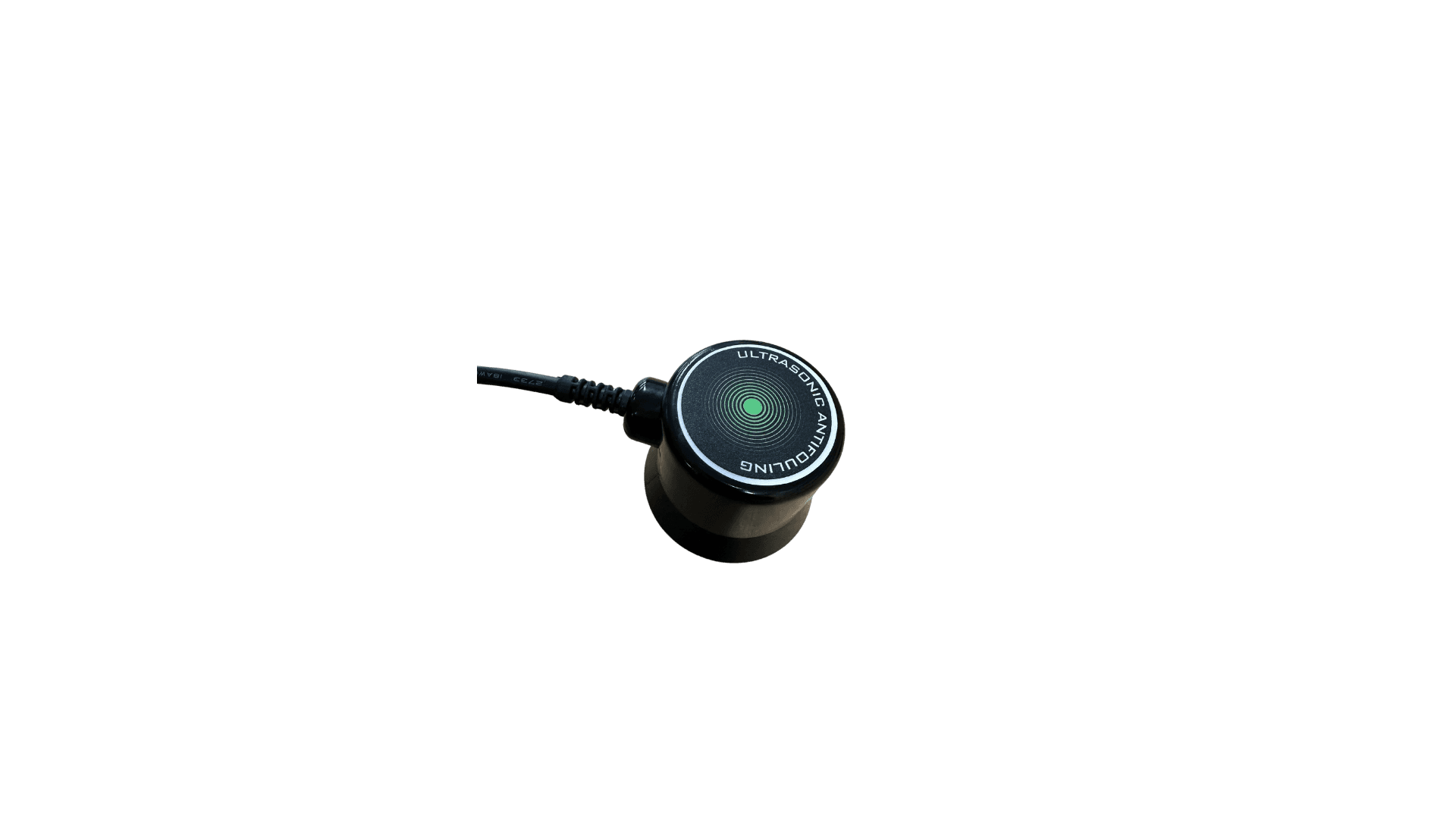
Internal fit
No external appendage. No added drag.
Why protect the hull
Fouling changes the underwater surface your boat was designed to move through. A proactive system helps protect performance, maintenance planning and the pleasure of simply being ready to leave the berth.
The system operates around the clock to help limit biofouling before it becomes established.
A cleaner underwater profile helps avoid the drag, lost efficiency and handling changes associated with growth.
Ultrasound provides a non-toxic layer of protection that can complement your existing antifouling programme.
Less intense growth can mean easier cleaning, longer intervals and better use of time out of the water.
Local assessment & installation
Warm Mediterranean water and long periods at berth make fouling control a practical year-round concern. We assess ultrasonic protection for vessels across Malta and Gozo, then plan the installation around the actual hull, access and operating pattern.
Somewhere else? Send the berth or yard location. Access and local working arrangements are confirmed before booking.
What shapes your quote
Material, laminate thickness and internal access determine where ultrasound can travel and where transducers can be bonded safely.
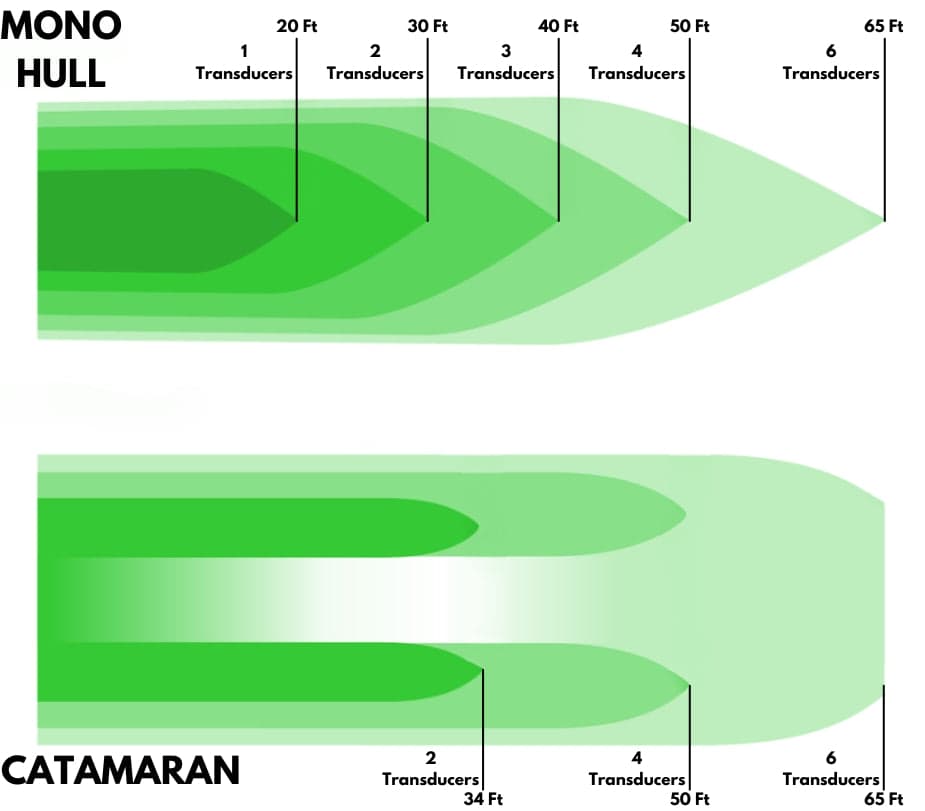
Length is only the starting point. Beam, hull geometry, separate compartments and multihull layouts all affect coverage.
The proposal can focus on the hull or include problem areas such as drives, rudders, stabilisers, strainers and sea chests.
We confirm the 12V or 24V supply, cable routes, bonding surfaces and practical access before finalising the system and labour scope.
Your proposal sets out the recommended equipment, transducer plan, installation scope, commissioning and applicable manufacturer warranty before work starts.
One technology, fitted to your vessel
Hull length matters, but so do construction, shape, machinery and what you want to protect. We specify the system around the vessel—not the other way around.
Recreational series
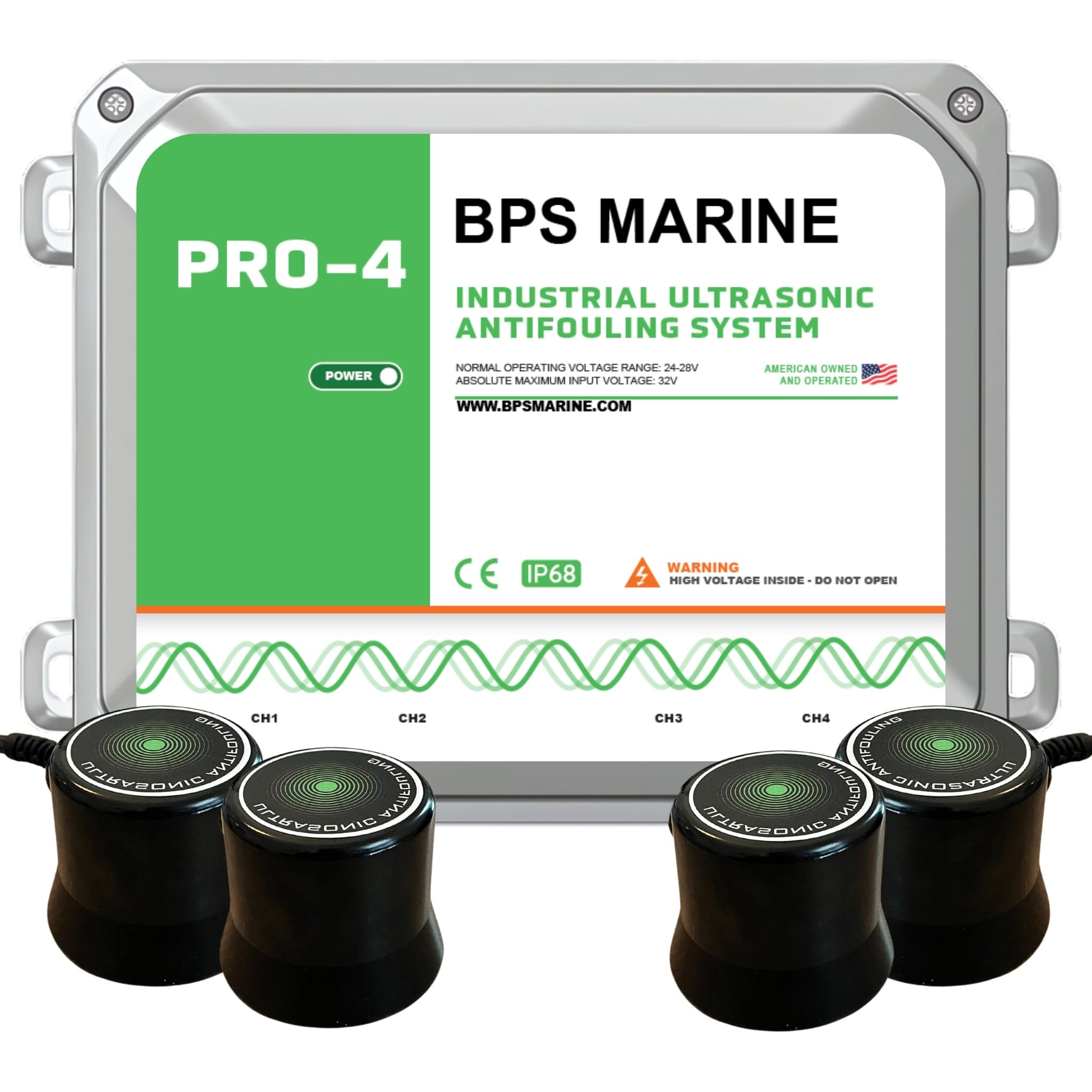
Low-draw systems available with multiple transducer configurations for a broad range of recreational hulls and targeted underwater equipment.
Pro series
Higher-output systems designed for larger vessels, wider hulls and applications including sea chests, strainers, stabilisers and cooling systems.
Coverage planning
Transducer count and placement are planned around the areas where sound needs to travel. The illustration is a starting guide; your proposal is based on the actual vessel.
From survey to switch-on
We review hull material, length, layout, power system and the areas where growth causes the most trouble.
A suitable 12V or 24V BPS Marine system is selected, with transducer quantity and placement matched to the boat.
The control unit and internal transducers are fitted with careful cable routing and clean integration into the vessel.
We test the system, walk you through operation and remain available for local aftercare in Malta and Gozo.
Proven hardware. Local accountability.
BPS Marine reports more than 4,000 refits using its specialist ultrasonic antifouling technology. Filippo adds practical maritime experience, a local point of contact and installation decisions grounded in how your boat is actually used.
Practical answers
It is best viewed as part of a complete fouling-control strategy. The right approach depends on hull material, coating, vessel use, location and the surfaces you want to protect. We assess the boat before recommending a system.
The transducers are bonded to the inside of a suitable hull surface, so many installations can be completed without making a through-hull opening. Access, hull construction and the condition of the installation area still need to be checked first.
BPS Marine offers 12V recreational and 24V Pro systems for a wide range of monohulls, catamarans and yachts. Final suitability and coverage depend on the vessel's material, geometry and underwater equipment.
Depending on system design, ultrasound can be used to protect hull areas and targeted equipment such as drives, rudders, stabilisers, sea chests and strainers. We define priorities during the assessment.
Power demand varies by system. BPS Marine offers equipment designed for standard 12V recreational and 24V marine electrical systems; we confirm the electrical requirements in your proposal.
Pricing is vessel-specific because the control unit, number of transducers, cable routing and installation access change from boat to boat. Send the vessel length, model, hull material, voltage and berth or yard location and we will prepare a clear proposal before work begins.
Installation time depends on access to suitable internal hull surfaces, the number of transducers and the cable routes. Many suitable boats can be fitted without a new through-hull opening or a haul-out, but we confirm the practical scope after assessing the vessel.
We assess projects across Malta and Gozo, including boats around Msida, Ta' Xbiex, Manoel Island, Grand Harbour, Portomaso, Kalkara and Mġarr. Berth access and marina working arrangements are checked before the installation is booked.
The proposal identifies the selected BPS Marine equipment, the applicable manufacturer warranty, installation scope and commissioning support. Filippo remains the local point of contact for operational questions and follow-up checks.
Tell us about your boat and where it is berthed. We’ll advise whether ultrasonic protection is a good fit and what system the vessel needs.